3D Scanning
PRECISION, ACCURACY, AND ENDLESS POSSIBILITIES
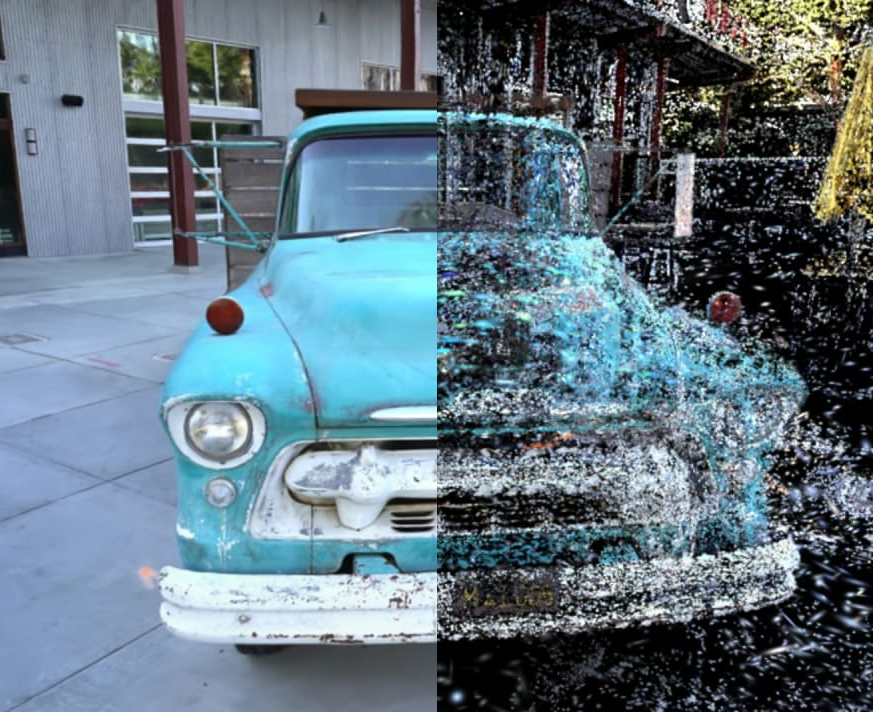
Our production-grade 3D scanning workflow uses professional instruments—including handheld, structured-light, and desktop macro scanners—to capture real-world objects with exceptional fidelity. We digitize geometry and texture with minimal loss so you can reuse assets across render pipelines, web/AR viewers, documentation, and quality control. From palm-size components to room-scale scenes, we choose the right method to balance speed, accuracy, and portability—delivering clean meshes, calibrated textures, and formats your team can deploy immediately.
3D scanning changes how brands design, explain, and preserve. It compresses prototyping cycles, creates consistent visuals for marketing, and opens new interactive experiences for audiences—benefits that matter to both creative and industrial teams.

VERSATILE APPLICATIONS
PRESERVATION, VR/AR EXPERIENCES, AND MORE
-
Preserving cultural artifacts and valuable objects
-
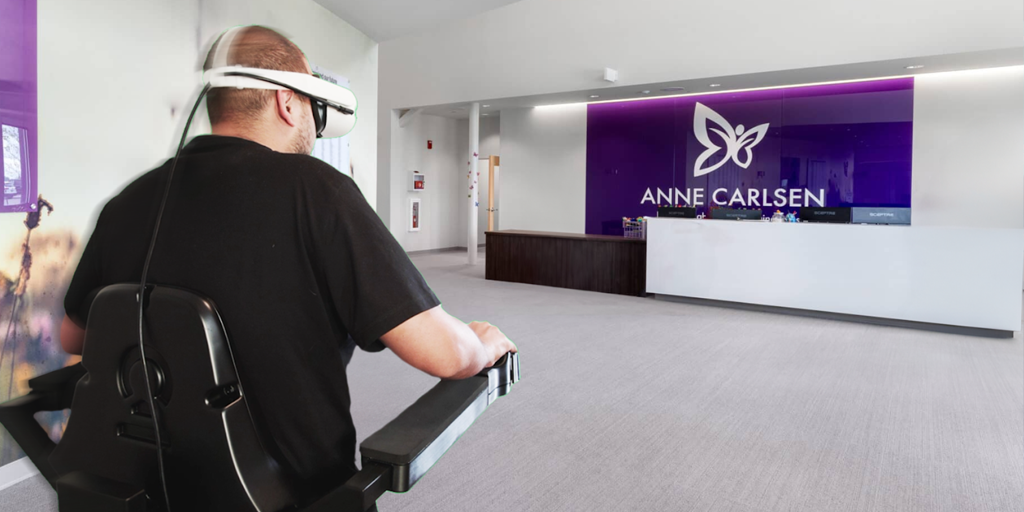
Creating authentic VR/AR experiences and interactive viewers
-
Architectural and engineering documentation
-
Product design, prototyping, and QC reference
-
Film, animation, and game development pipelines
CUSTOM RECONSTRUCTION
BEYOND THE LIMITS OF SCANNING
Not every surface or material scans perfectly. When capture hits a limit, our 3D artists reconstruct missing areas, retopologize meshes, and create production-ready UVs and textures. This hybrid approach preserves accuracy where it counts while delivering a complete, polished asset for your specific use case.
FREQUENTLY ASKED QUESTIONS
How long does a 3D scanning project take?
Small items are often turned around in a few days; larger sets depend on quantity, finish, and post-processing requirements. Share photos and deadlines for an exact estimate.
Are there any size or material limitations for scanning?
Extremely glossy, transparent, or very dark surfaces can require prep (spray or polarization). We’ll recommend the safest method and the right device for your object’s scale.
Is 3D scanning safe for delicate or valuable objects?
Yes. We use non-contact light-based systems and conservation-aware handling. When necessary, we scan in situ or design protective supports to keep objects secure.