
Game Engine Integration
BRING CONTENT TO LIFE WITH
Seamless interactivity with Unreal & Unity
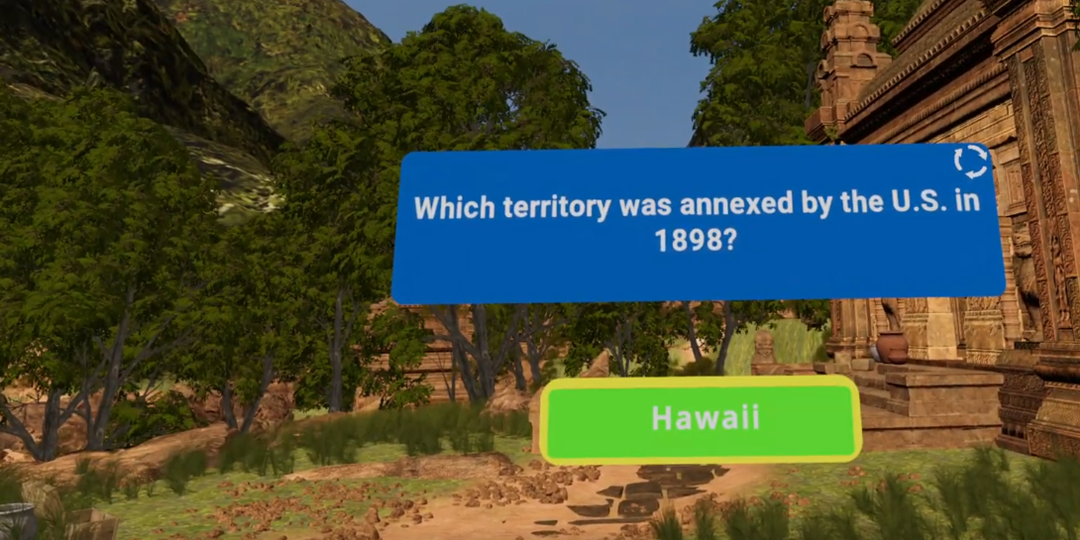
We provide professional Unreal Engine and Unity integration that turns static assets into fully interactive experiences. Our work spans VR/AR training, education, branded content, and entertainment—with smooth performance, intuitive interaction, and scalable architecture. From serious games for professional training to immersive public-facing apps, we design for inclusivity and cross-platform reach, so your audience can engage on headsets, desktop, and mobile. Game engine integration is where creativity meets functionality—unlocking real-time interactivity and making every experience feel alive.
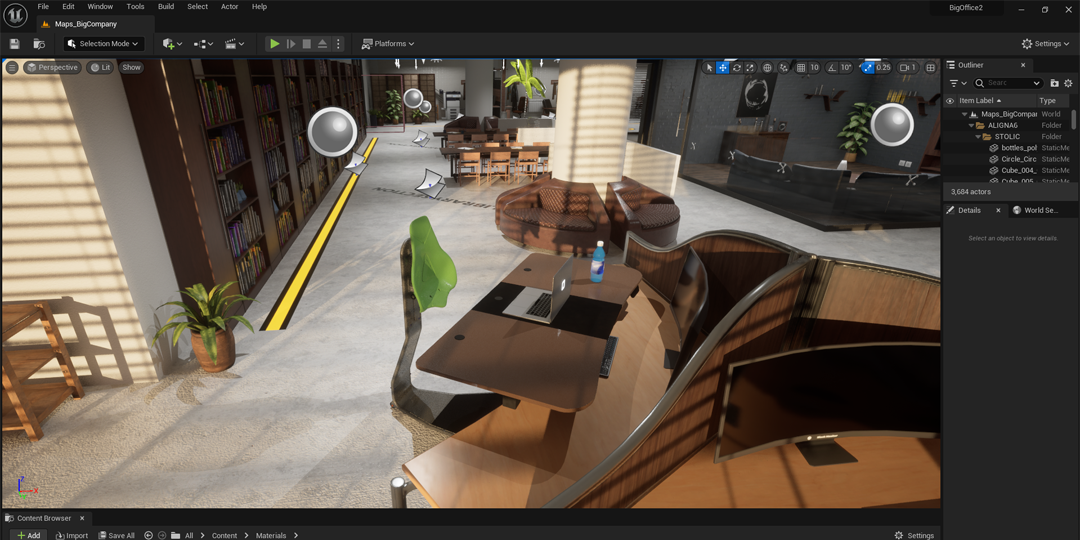
REAL-TIME PIPELINES
UNREAL & UNITY, END-TO-END
Import, optimize, and author content for real-time: LODs, lightmaps, Nanite/Lumen or URP/HDRP setup, shaders/materials, animation, and audio. We wire up inputs (controllers, hands, trackers) and build scene logic that’s easy to iterate and extend.
INTERACTION & SYSTEMS
DESIGN THAT FEELS NATURAL
From diegetic UI to physics, haptics, and multiplayer, we craft interactions that are learnable and satisfying. State machines, objectives, and save/progress systems keep sessions coherent—whether it’s a 5-minute kiosk or a 50-hour training path.
PERFORMANCE & ACCESSIBILITY
RUNS SMOOTHLY, WORKS FOR EVERYONE
Profiling, batching, async loading, and platform-specific render paths deliver stable framerates. We implement accessibility features—captions, color safety, scalable text, comfort modes, and controller remaps—so more people can participate.
FREQUENTLY ASKED QUESTIONS
WHICH ENGINE SHOULD WE CHOOSE—UNREAL OR UNITY?
We choose by use case: Unreal for highest fidelity and complex visualization; Unity for broad device reach and lightweight builds. We can prototype in both.
CAN YOU INTEGRATE WITH OUR BACKEND OR LMS?
Yes—APIs, webhooks, SCORM/xAPI, dashboards, and secure user management are supported.
HOW DO YOU HANDLE MULTI-DEVICE SUPPORT?
We plan targets up front (standalone HMDs, PCVR, desktop, mobile) and maintain per-platform settings, assets, and UI flows.
WHAT DOES A TYPICAL TIMELINE LOOK LIKE?
Prototypes: 2–6 weeks. MVPs with content/integrations: 8–16+ weeks, depending on scope and review cadence.